
What is Lymphoedema?
Lymphoedema is a type of swelling that happens when the lymphatic system isn’t working as well as it should. This can be because the system didn’t develop properly, or because it’s been damaged by things like surgery, illness, or injury. Lymphoedema can affect any part of the body, but it’s most often seen in an arm or a leg.
It’s often thought of as a rare condition, but recent research suggests around 6 in every 1,000 people in the UK are affected. To understand why lymphoedema develops, it helps to know a bit about how the lymphatic system works.
The Lymphatic System – How It Works
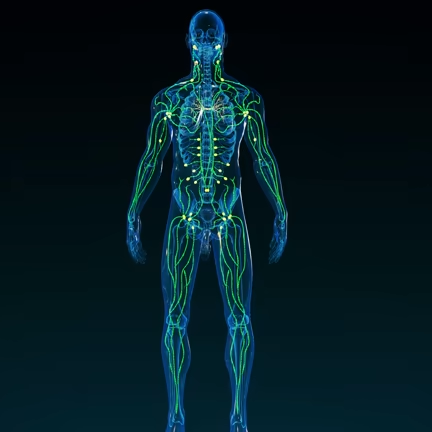
Your lymphatic system is part of your immune system. It helps fight infection, clears waste from your tissues, and keeps fluid levels in balance.
Think of it like a waste-collection network. It picks up excess fluid, bacteria, proteins, and waste from around your skin, muscles, fat, and bones. Once this fluid enters the lymphatic vessels, it’s called lymph.
Lymph moves in one direction through a network of vessels, helped along by muscle movement (like walking or exercising), deep breathing, and gentle techniques such as Manual Lymphatic Drainage (MLD) or self-massage.
Along the way, lymph passes through lymph nodes (also called glands), which are found in places like the neck, armpits, and groin. These nodes filter and clean the lymph before it eventually drains back into the bloodstream near the collarbone. From there, waste leaves the body through the kidneys.
So, How Does Lymphoedema Happen?
When the lymphatic system can’t drain fluid properly, lymph builds up in the tissues — a bit like a river backing up behind a dam. Swelling happens when there’s more fluid than the system can cope with.
In simple terms, lymphoedema is swelling caused by a build-up of lymph in the tissues.
Types of Lymphoedema
There are two main types:
Primary lymphoedema
This is usually present from birth and is caused by an under-developed lymphatic system. It may not show up straight away and often appears during times of change, such as puberty.
Secondary lymphoedema
This develops as a result of damage to the lymphatic system. Common causes include:
Surgery, especially where lymph nodes are removed (often during cancer treatment)
Radiotherapy, which can cause scarring
Injury, infection, or trauma
Reduced movement or paralysis
Vein problems (such as varicose veins or previous DVT)
Obesity
Cancer itself, which can block lymph flow
While many of the underlying causes can’t be reversed, lymphoedema can be managed effectively with the right treatment, often making a big difference to quality of life.
How Does Lymphoedema Progress?
Early on, swelling may be mild and come and go. It’s common for swelling to be minimal in the morning and worse by the end of the day, especially in warm weather. At this stage, simple treatments can be very effective — which is why early treatment is so important.
Without treatment, swelling can become more permanent and the affected area may feel firmer or harder over time.
What Can Be Done to Help?
The most important first step is getting an accurate diagnosis and proper assessment. Sadly, some people are still told that “nothing can be done” — but that simply isn’t true. There are effective treatments that can reduce and control swelling.
The Lymphoedema Support Network (LSN) has a directory of services to help you find a local clinic. The British Lymphology Society also sets out minimum standards of care. If you’re struggling to get support, sharing this information with your GP can really help.
With the right care, many people with lymphoedema go on to live active, comfortable lives.
Tel: 07880 630145
Email: sarah.betterutherapies@gmail.com
24 Tithing Road
Fleet
Hampshire
GU51 1GG



©2025 BETTER U
Scar massage and soft tissue therapy
Website designed by Creative Bytes